
Welcome to the eConverge™ Blog!

The Skilled Trades Are Changing. So Is What It Means to Be Skilled.
How technology, increasingly complex building systems, and hands-on expertise are reshaping construction careers.
For generations, the skilled trades have been defined by craftsmanship: understanding how materials behave, how systems fit together, how to work safely, how to solve problems in the field, and how to recognize when something simply is not right. Those abilities remain fundamental to construction, but the environment in which tradespeople apply them is changing rapidly.
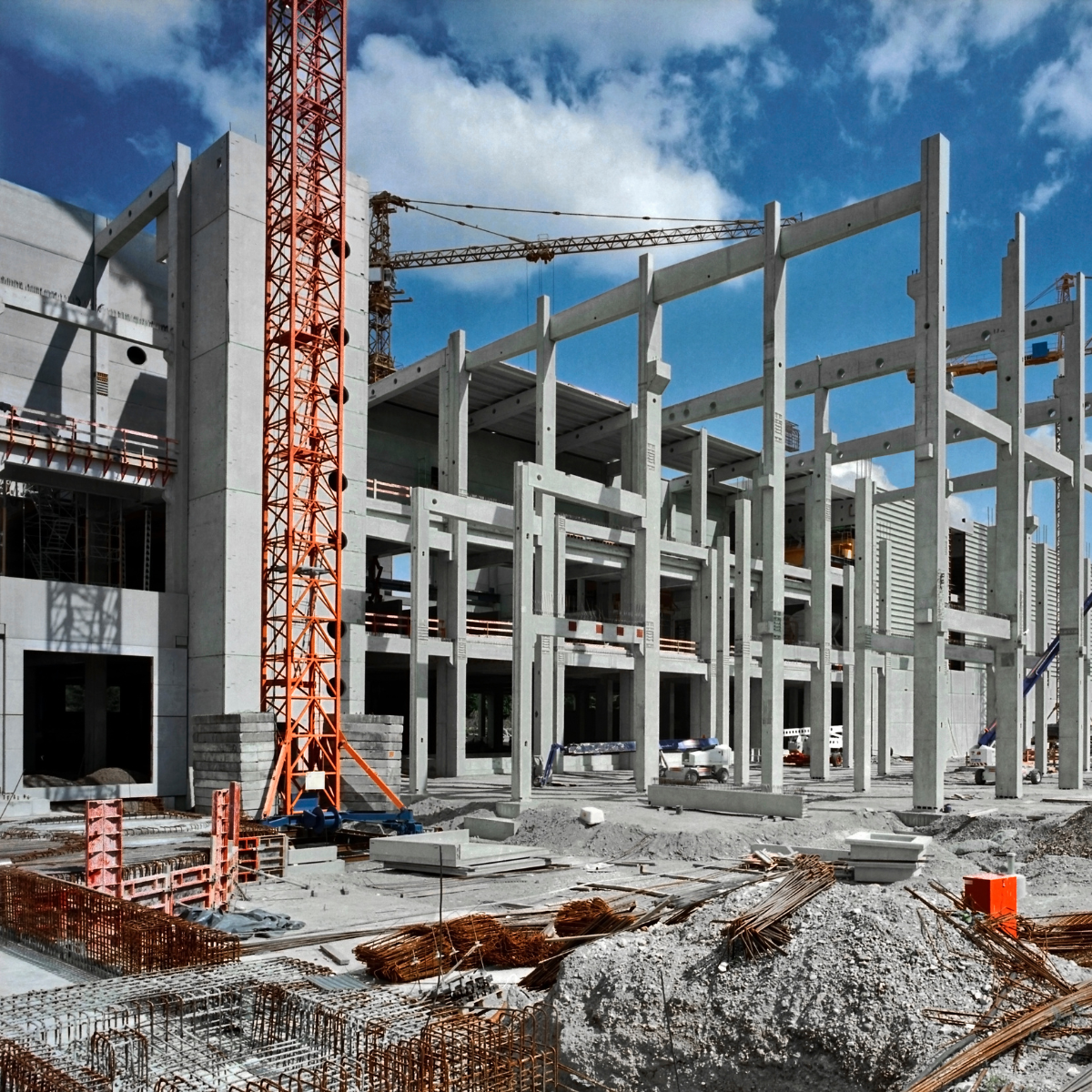
Building for the Decisions That Age Well
What today's construction choices could mean for the buildings, budgets, and communities of 2046
A building is often judged most intensely on the day it opens. Does it look the way it was intended? Did it meet the program? Did the project stay within budget? Is the owner satisfied? Can the public finally walk through the doors?
Those are important measures of success.meetings, estimates get prepared, proposals move through review, work gets awarded, contractors mobilize, and reports get filed. Step closer and the picture changes.
The Project Was Never the Problem. The Program Was. Introducing eConverge Director™
Construction has spent decades improving how individual projects are managed. What the industry has never fully managed is the program connecting them: the knowledge, decisions, costs, contract requirements, and history created across hundreds or thousands of projects.
Every program looks organized from a distance.
Projects have names, contracts have numbers, teams hold meetings, estimates get prepared, proposals move through review, work gets awarded, contractors mobilize, and reports get filed. Step closer and the picture changes.

How Much of the Budget Actually Reaches the Work?
As our country celebrates 250 years of independence, I've found myself thinking about something that has connected every generation before us.
We build.
For 250 years Americans have built schools, roads, bridges, hospitals, military bases, fire stations, water systems, and public facilities that help communities grow and thrive. The tools have changed. Technology has changed. Construction delivery methods have changed. But the mission remains the same. Take available resources and turn them into something that improves people's lives.
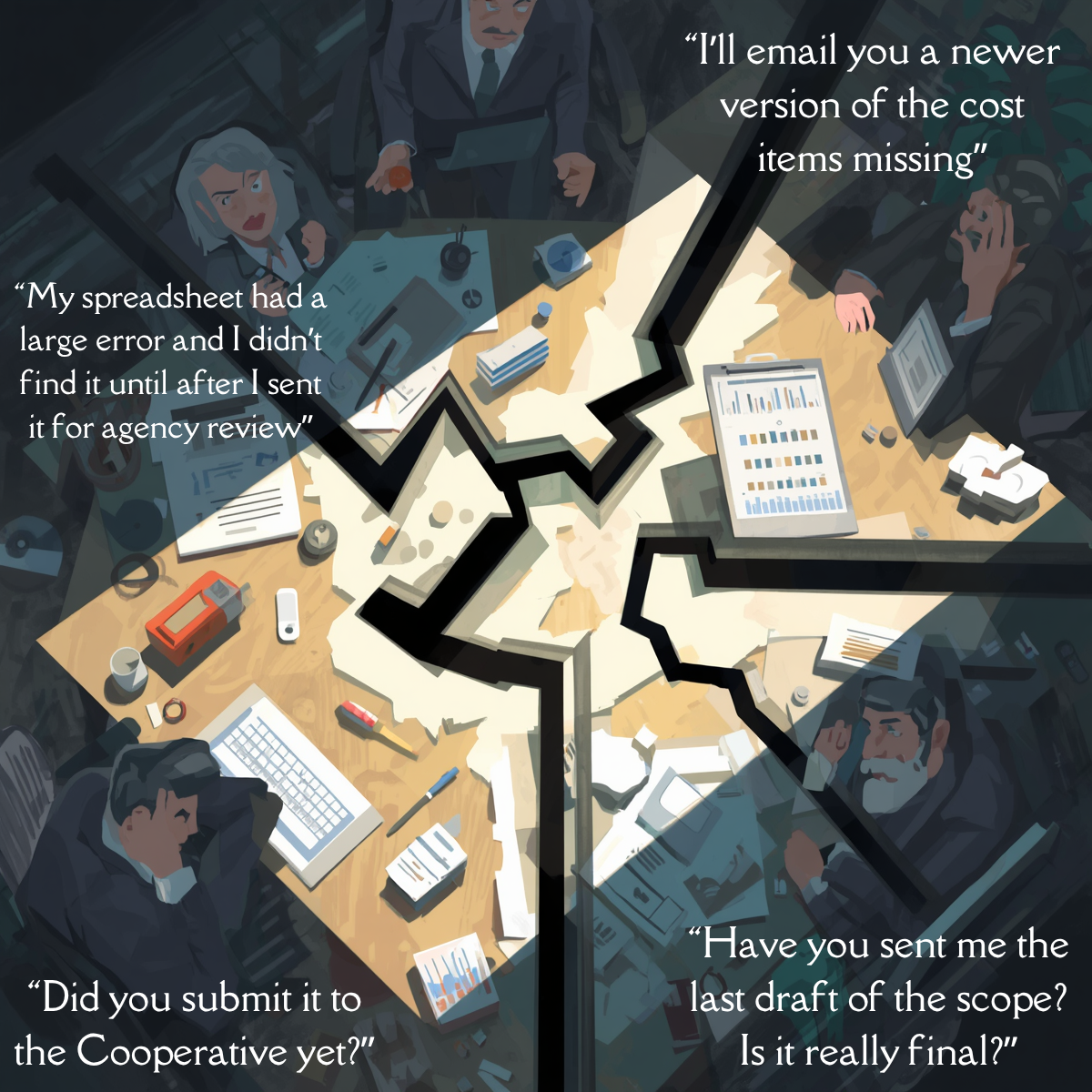
Why Disconnected Construction Workflows are Creating Delays, Confusion, and Risk Across Modern JOC Programs
I started in construction estimating in the 1980s. I have watched the industry move from handwritten takeoffs and paper plans to DOS systems, CDs, local servers, cloud platforms, mobile workflows, and now AI assisted tools have entered the conversation.
Technology has changed dramatically. But some operational workflows still feel stuck somewhere around 2006.
You have probably seen it yourself. A scope changes. Someone updates the estimate, exports it to a spreadsheet, then has to move rows and columns, set totals for priced and non-priced work, figure out the coefficients, add the location factor, and finally format it into a PDF without anything cutting off.

Cooperative Purchasing for JOC Contractors – How to Win More Work with Less Effort
This month’s blog is written especially for cooperative contractors; the vendors and construction firms who want to grow their Trades, Labor and Materials (JOC) and Job Order Contracting business through purchasing cooperatives.
If you’re a contractor tired of chasing individual bids or spending weeks on every RFP, cooperative purchasing could be one of the highest-ROI moves you make this year.

Inside the Huge Renovation Economy That Keeps Everything Running
Roof replacements, HVAC system upgrades, structural repairs, electrical infrastructure improvements, and accessibility retrofits rarely generate press releases, yet they represent the work that keeps communities operating every day.
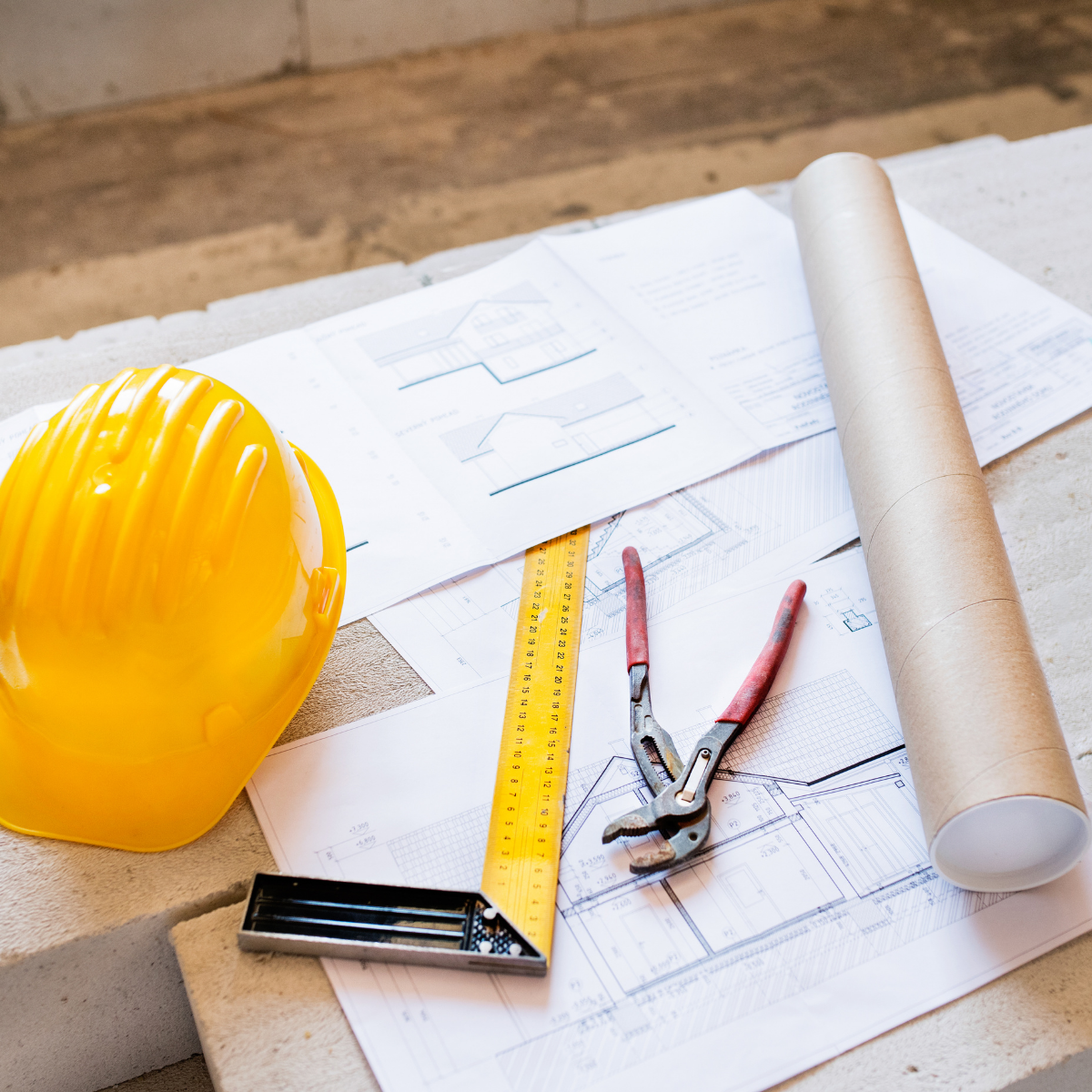
The Lifecycle Blind Spot: Construction Teams Think in Phases but Facilities Focus On Decades
The construction industry operates in defined phases. Projects move from planning to design, procurement to construction, and finally to closeout. Each stage has contractual milestones, budget checkpoints, and measurable deliverables. When substantial completion is achieved, the project is declared finished.
For facility teams, that milestone represents the starting line.